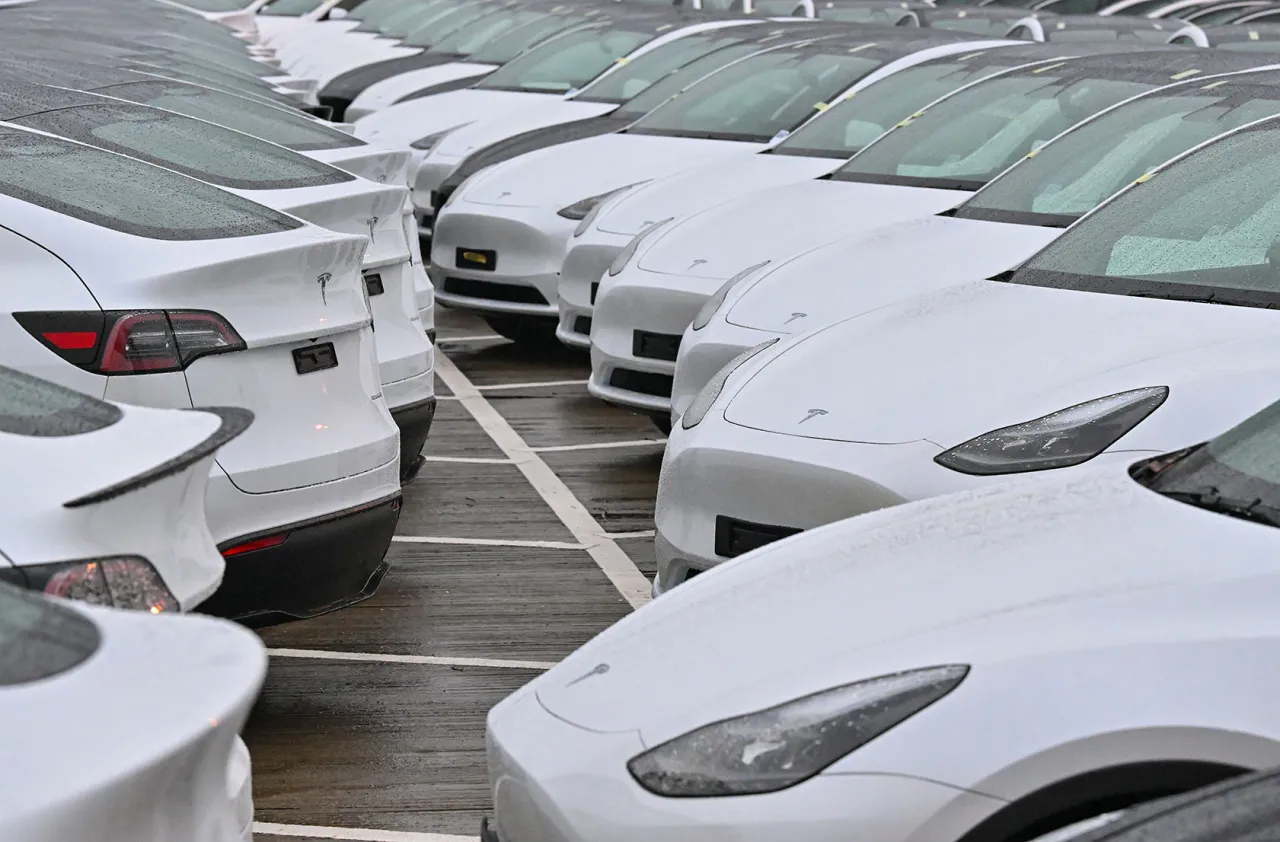
Despite facing challenges in the U.S. market, Tesla continues to find ways to drive new vehicle sales, delivering over 480,000 electric vehicles in the third quarter.
After a somewhat rocky start to the year, Tesla has posted strong results for the second consecutive quarter. Sales figures easily surpassed Wall Street’s consensus estimates and even exceeded the company’s own most optimistic projections. Tesla also reached the milestone of producing its 10-millionth vehicle earlier this year.
The company announced on Friday morning that it produced 464,391 vehicles and delivered over 486,532 units during the quarter. Deliveries rose by approximately 6,000 units compared to the second quarter. However, sales remained below the same period last year, when Tesla delivered 497,000 vehicles—a record-breaking quarter driven by a surge of U.S. buyers rushing to take advantage of expiring federal tax credits.
Data from Cox Automotive indicates that, prior to Friday’s announcement, Tesla’s U.S. sales had fallen by nearly 20% year-over-year.
Tesla’s stock decline stems from a combination of factors. For years, the company has not introduced any new consumer models, aside from the slow-selling Cybertruck pickup. Additionally, potential buyers have been deterred by Elon Musk’s public support for Donald Trump’s presidential campaign and his role in the Department of Government Efficiency—an agency associated with mass layoffs and the cancellation of international aid funding.
To offset losses in the U.S. market, Tesla has turned its attention elsewhere. Sales have rebounded in Europe, a region characterized by higher EV adoption rates and stricter emissions regulations; the company is reportedly expanding capacity at its German plant to meet this demand. Despite fierce competition, sales from Tesla’s Chinese factory have continued to grow strongly, bolstered in part by aggressive expansion into emerging markets such as Japan, Australia, and Lithuania.
Despite the recovery in overall growth momentum, sales figures have become a taboo subject for CEO Elon Musk, who is increasingly focused on other aspects of the business. A prime example is the recent unveiling of the “Cybercab” in Austin, Texas—a two-seater electric vehicle designed to provide autonomous transport without a driver, steering wheel, or pedals.
Tesla has also recently launched the production version of its electric heavy-duty truck, nearly a decade after the model’s initial debut. The company plans to manufacture approximately 50,000 Tesla Semi trucks annually.
Other new projects are also in the pipeline, though specific timelines for commercialization have yet to be determined. After years of delays, the second-generation Roadster is set to be unveiled again on October 15, though it remains unclear when mass production will begin. Tesla is also developing the Optimus humanoid robot, a project that has likewise faced repeated delays. Earlier this week, Tesla announced it had secured a new credit facility of up to $30 billion to support these initiatives.